Crown Thinning
Original Tree
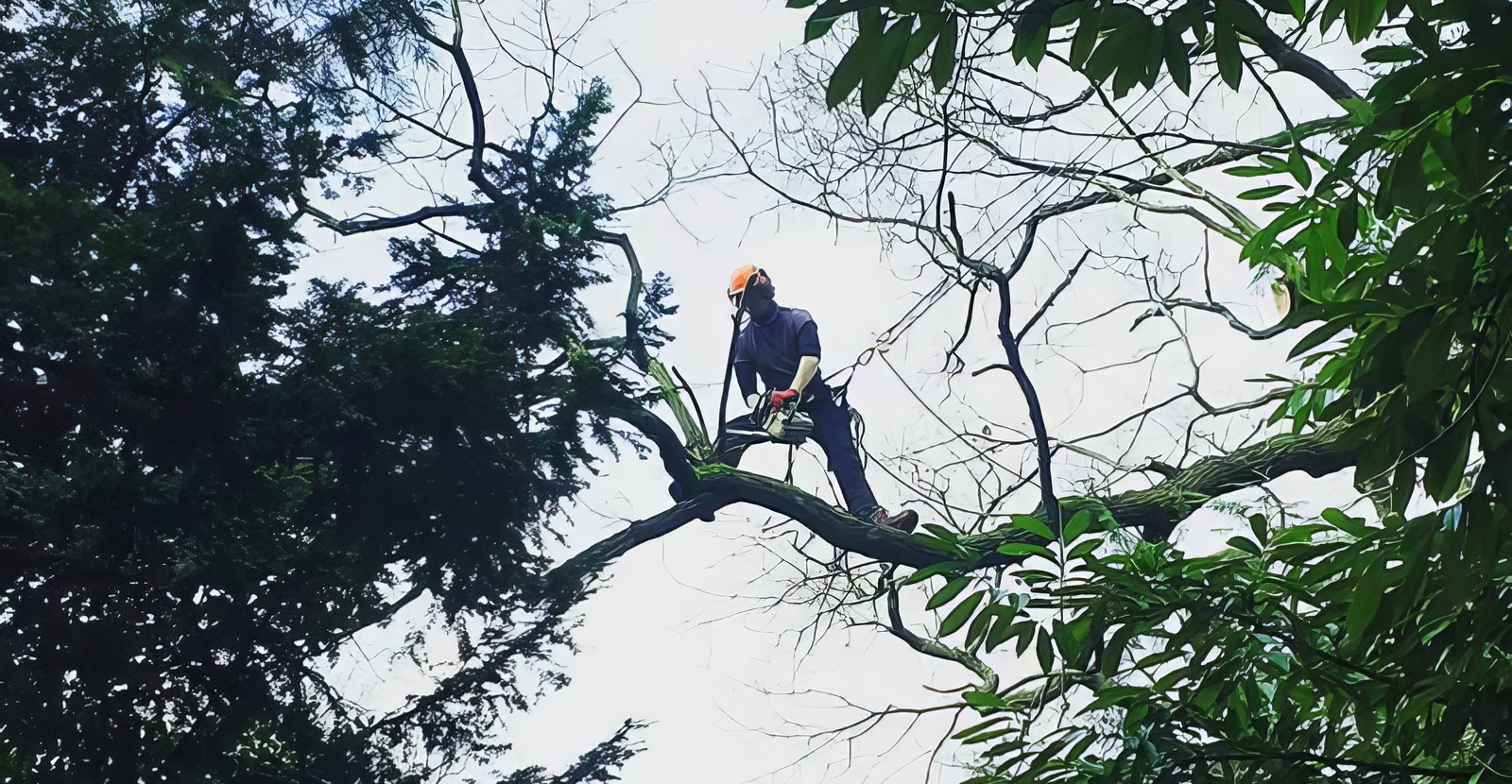
Crown thinning is a tree care technique performed by professional tree surgeons to improve a tree’s health, safety, and aesthetics. The process involves selectively removing a portion of secondary branches throughout the canopy while maintaining the overall shape and structure of the tree. Unlike crown reduction, thinning does not alter the height or spread of the tree but rather focuses on reducing the density of the foliage. This allows for better air circulation and sunlight penetration, both of which are critical for the tree's vitality.
The benefits of crown thinning are numerous. First, improved air circulation reduces the risk of fungal diseases and pest infestations, promoting the tree's overall health. Second, increased light penetration benefits the understorey plants beneath the tree, fostering a thriving ecosystem. Third, crown thinning enhances the tree's structural integrity by lessening the branches' weight. This minimizes the risk of breakage during high winds or heavy snowfall, making it a vital safety measure in storm-prone areas.
Additionally, crown thinning contributes to the tree's aesthetic appeal by creating a more balanced and open canopy. This technique also helps maintain a harmonious relationship with its surroundings, such as ensuring the tree does not obstruct light to neighbouring properties or pose hazards to nearby power lines.
Ultimately, crown thinning is a proactive approach to tree care that enhances safety, boosts the tree's health, and supports the beauty of the environment in which it resides.