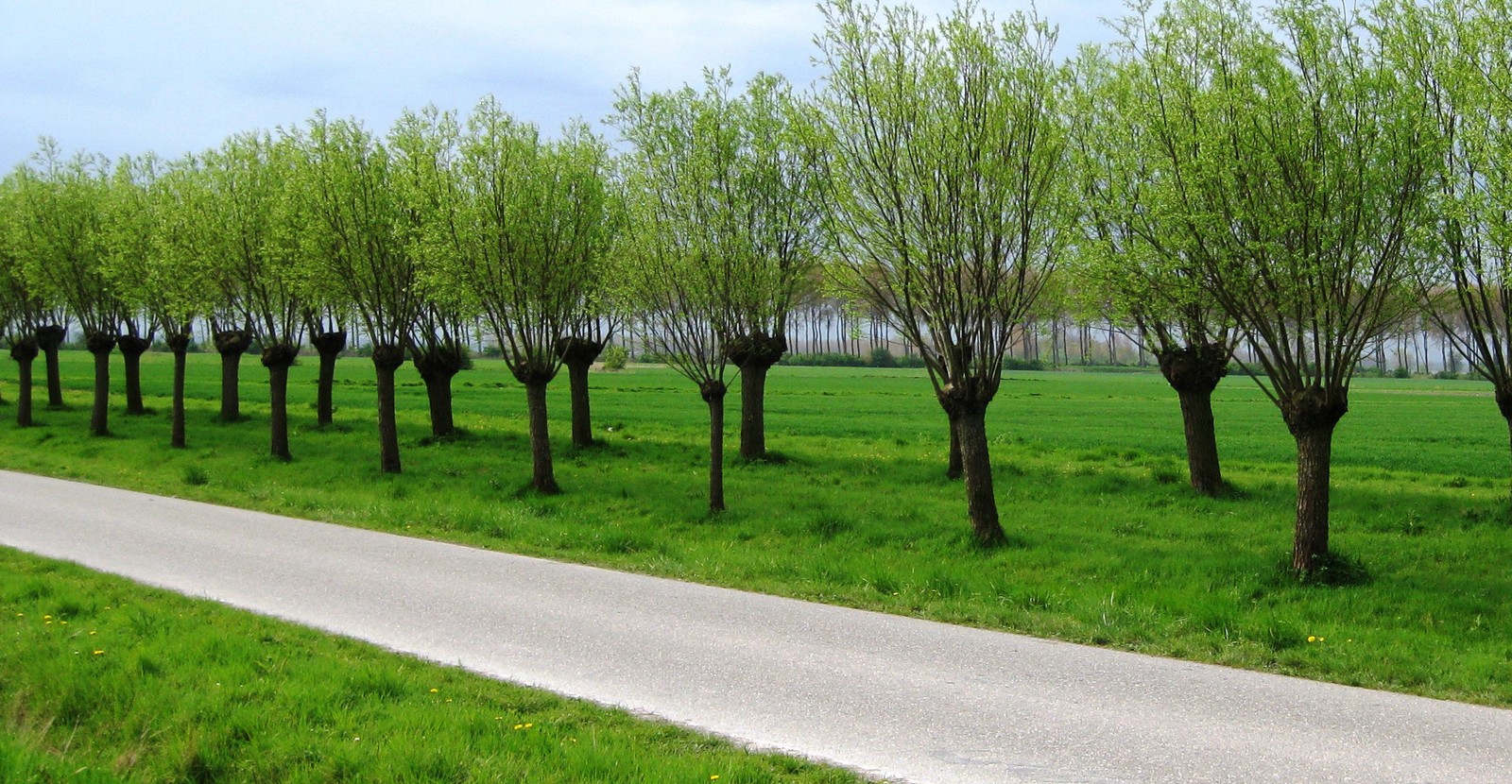

Pollarding

Original Tree
Pollarding is a specialized tree management technique carried out by professional tree surgeons to control a tree’s size, shape, and growth. The process involves cutting back the upper branches of a tree to a defined height, typically leaving a framework of main branches. This encourages the tree to produce dense, fresh growth from the cut points. Pollarding is often performed on young trees and repeated at regular intervals to maintain the desired shape and prevent excessive growth.
One of the primary benefits of pollarding is its ability to manage tree size, making it particularly useful in urban or restricted spaces. Trees that would otherwise grow too large for their surroundings can be safely maintained without posing risks to nearby buildings, power lines, or roadways. Additionally, this technique reduces the potential for falling branches, enhancing safety in public and private spaces.
Pollarding also increases the longevity of certain tree species by stimulating controlled growth and preventing structural weaknesses. Regular branch removal helps minimize the risk of disease and pests, as damaged or overgrown limbs are eliminated during the process.
Furthermore, pollarded trees contribute to the environment by providing habitats for various wildlife, as their regrowth creates ideal conditions for birds and insects. The aesthetic benefits are notable too—pollarded trees can lend a unique, sculptural appearance to landscapes, blending functionality with beauty.
Overall, pollarding is a sustainable and effective method to maintain trees in harmony with their environment, ensuring safety, health, and visual appeal in both urban and rural settings.